





Effective Ways to Remove Fluoride from Your Drinking Water
Looking for effective ways to remove fluoride from your drinking water? High quality water filters using natural filtration methods can help you achieve safe, clean water without the drawbacks of conventional systems. Let’s explore filtration and other proven methods in this blog.
What is Fluoride and Where Does it Come From?
Fluoride, or fluorine, is a chemical compound naturally found in water, rocks, and soil. Fluoride is extracted from the mineral rock fluorapatite, which is often used in fertiliser. Sources of fluoride include dental products, processed beverages and foods, pesticides, tea drinks, fluorinated pharmaceuticals, mechanically deboned meat products, Teflon pans, workplace exposure in particular heavy industries that produce aluminium, fertiliser, iron, oil refining, semi-conductors and steel industries.
Besides fresh water sources polluted by industry, naturally occurring high fluoride levels are typically only found in deep wells that have leeched from the surrounding rock. It enters your body mainly through the water you drink, foods and toothpaste, and fluoride is absorbed through your digestive system, mainly deposited in your bones and teeth. While this natural mineral was once touted for its teeth-protecting properties, it has now been classified as a neurotoxin and poses harmful risks to your health. High levels of fluoride have been found to cause disfigured dental damage, ulcers, reduced IQ (especially in children), thyroid disease, bone disease, osteoarthritis and infertility.
How to Remove Fluoride from Water
If you're looking to reduce fluoride in your drinking water, there are several proven methods that actually work. Here's what you need to know about each one.
1. Using Water Filters That Remove Fluoride
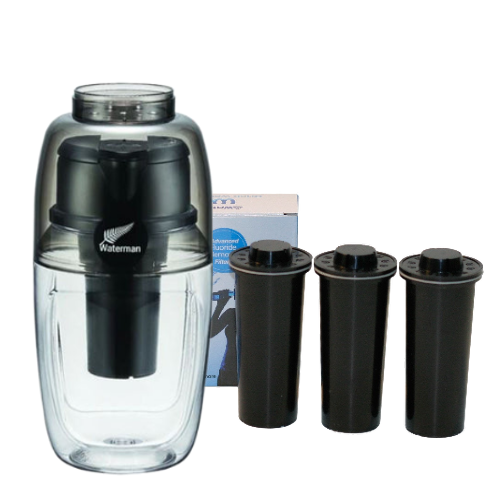
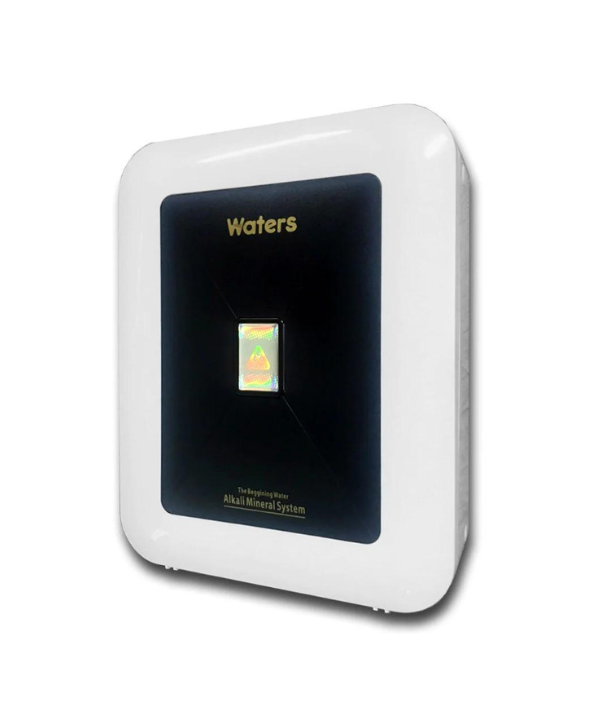
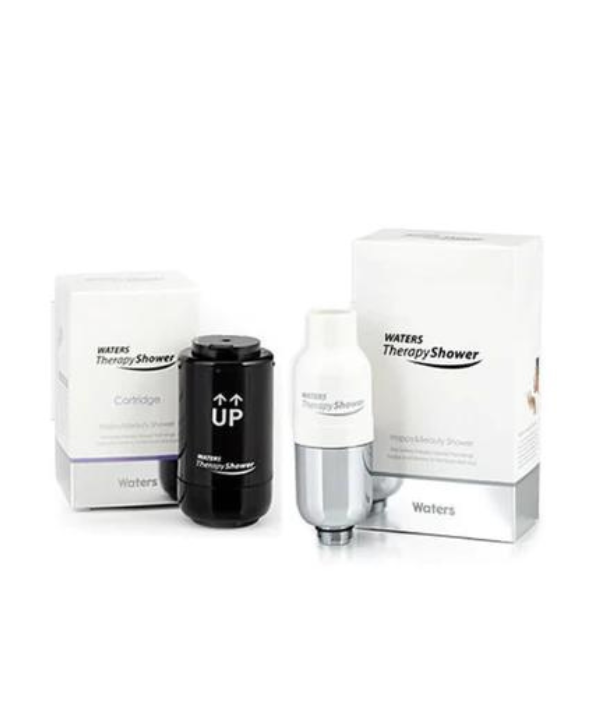
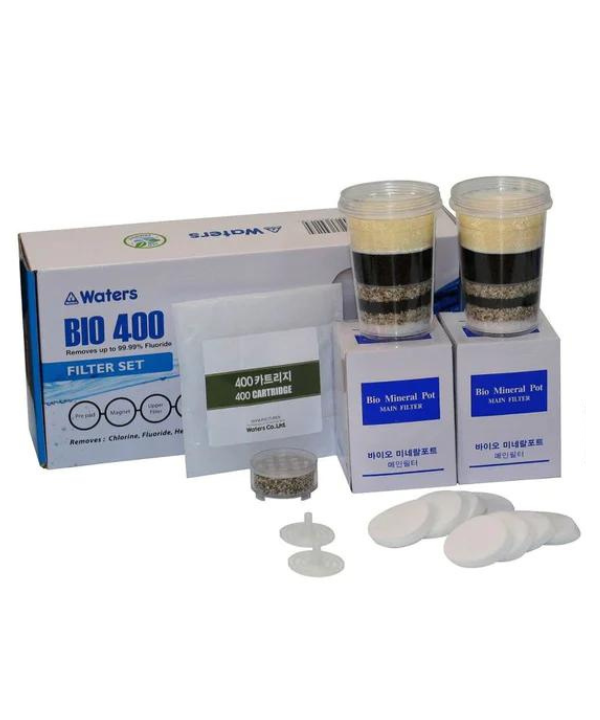
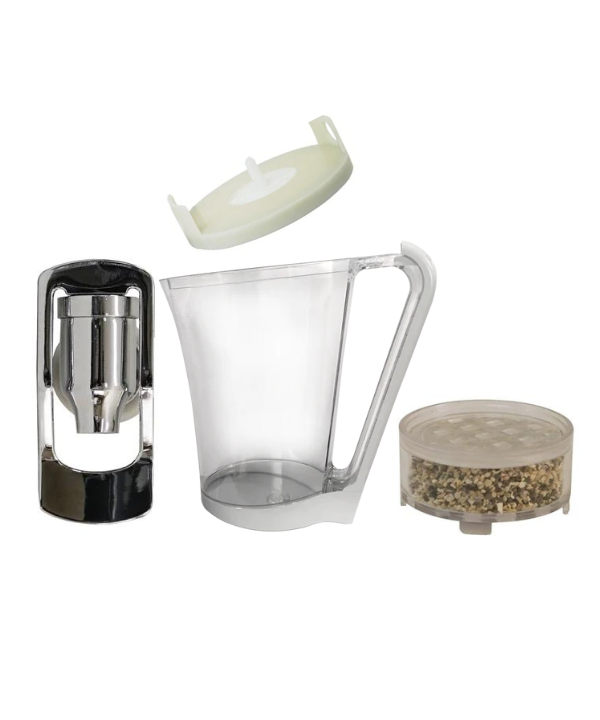
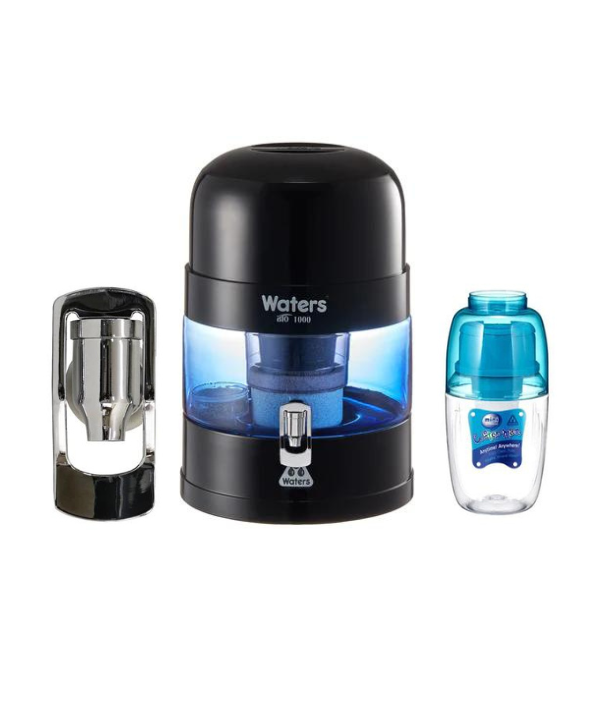
Amid growing concerns about fluoride in water sources, Waters Co Australia stands as a leader in protecting the purity of your drinking water. Our water filters are specifically designed to target and eliminate unwanted compounds. We offer various water filtration solutions, each meticulously crafted to address distinct needs. These include:
-
Water Bottles with Filters : On-the-go solutions that allow you to enjoy clean water with easy fluoride removal in your water.
-
Benchtop Water Filters : These are convenient options for purifying water at the point of use, providing immediate access to safe drinking water while removing fluoride.
-
Water Filter Jugs : Simple and effective, our fluoride water filter jugs offer an efficient way to enjoy filtered water without compromising taste and quality.
-
Under-the-Sink Water Filters : Integrated solutions that seamlessly fit into your kitchen, ensuring a continuous supply of fluoride-free water.
Our water filters effectively remove fluoride from water using carbon technology, ensuring a reliable solution for clean and pure drinking water. Through these cutting-edge products, we empower you to take control of your water quality.
2. Bone Char
Bone char is made by heating animal bones to very high temperatures. It might sound unusual, but it's been used for decades to remove fluoride, especially in developing countries.
A major review of bone char research found that the best bone char is made by heating bones to 500-700°C for about 2 hours.
Lab tests showed bone char removed between 99.5% and 99.8% of fluoride from water that started with 5 mg/L of fluoride.
A comparison study testing both cow and goat bone char found that both types brought fluoride levels down to safe limits within 30 minutes—cow bone char removed about 67% and goat bone char removed about 62%.
Keep in mind: You can clean and reuse bone char, but research shows it gets less effective over time. After 10 cleaning cycles, it only works about 64% as well as it did when new. You'll typically need to replace bone char after treating 200-500 gallons.
3. Distillation
Distillation is simple: you boil water, collect the steam, and let it cool back into liquid. The fluoride (and almost everything else) gets left behind in the boiling pot.
Studies confirm that distillation removes nearly all impurities from water, including fluoride—up to 99.5% removal.
Research on special membrane distillation systems showed they could consistently remove fluoride without the clogging problems other systems have.
A comparison study found that while distillation produces less water than some other methods, it keeps working consistently without fouling or scaling issues.
The catch? Distillation uses a lot of energy and takes time. A typical home distiller makes about 1 gallon of clean water every 4-6 hours. It also removes all the minerals from water, which some people say makes it taste flat.
4. Activated Calcium Carbonate
Activated calcium carbonate is a natural, effective alternative to common fluoride removal methods. Unlike reverse osmosis (which wastes water) or activated alumina (which can add aluminum back into your water), activated calcium carbonate uses a natural mineral-based approach.
Research published in ScienceDirect demonstrated that calcium carbonate can bring fluoridated water (below 10 mg/L) down to safe drinking levels (below 1.5 mg/L). The study found that calcium carbonate performed just as well as expensive commercial resins specifically designed for fluoride removal.
A study published in PubMed tested calcium carbonate against other materials like eggshells and seashells for fluoride removal. The results showed that calcium carbonate worked better than the other natural calcium-containing materials. The research found that it took about 3 hours for the calcium carbonate to reach its full effectiveness.
Why calcium carbonate is different: This natural material removes fluoride without adding potentially harmful substances back into your water. According to the Fluoride Action Network, activated calcium carbonate can outperform many reverse osmosis systems while being more environmentally friendly and avoiding the aluminum concerns associated with activated alumina filters.
What Doesn't Work When Removing Fluoride
Regular Carbon Filters: Those pitcher filters and faucet attachments you see everywhere? They're great for improving taste and removing chlorine, but they barely touch fluoride—usually less than 10% removal. University research confirms that standard carbon filters don't remove fluoride.
Boiling Water: This actually makes things worse! When you boil water, the water evaporates but the fluoride stays behind, so you end up with more concentrated fluoride in what's left.
Which Fluoride Removing Method Should You Choose?
-
Best overall: Activated calcium carbonate offers natural, highly effective fluoride removal (up to 99.99%) without environmental waste or reintroducing harmful substances
-
Budget-friendly alternative: Bone char provides good fluoride removal using natural materials, though it requires more frequent replacement
-
Most thorough: Activated calcium carbonate matches or outperforms reverse osmosis systems while being ecologically sound and maintaining beneficial minerals
-
Don't waste your money on: Regular carbon filters—they won't help with fluoride (less than 10% removal)
-
Methods to avoid: Reverse osmosis (wastes water, strips minerals) and activated alumina (inconsistent results, may reintroduce aluminum)
The Benefits of Using a Water Filter to Remove Fluoride
To reduce the risk of drinking too much fluoride a water filter is one of the best ways to reduce fluoride exposure. A quality water filter removes fluoride from your drinking water. Many water filters are available on the market today, and each type has advantages. Let's look at the key benefits of using a water filter to remove Fluoride in tap water:
-
More influence over health risks: One of the biggest benefits of removing fluoride from tap water is more control over what you and your loved ones drink. With a fluoride removal water filter such as Alkanatur, you can customise your water exactly how you want it and alleviate possible health risks.
-
Addressing medical disorders: Removing fluoride from tap water may benefit some medical conditions. For example, people with kidney disease may have difficulty removing excess fluoride from their bodies. Reducing water intake of fluoride can reduce the strain on the kidneys and reduce the risk of further health problems.
-
Overexposure and avoiding tooth decay: Fluoride is a mineral in toothpaste and mouthwash. You can ensure you're not consuming too much fluoride by choosing natural, non-fluoridated dental care and removing fluoride from tap water.
What are Considered Safe Levels of Fluoride in Drinking Water in Australia?
The Australian Drinking Water Guidelines recommends three fluoridating compounds to be used for fluoridating water: sodium fluoride (NaF: a compound of fluorine and sodium); sodium fluorosilicate (Na2 SiF6: a compound of fluorine, sodium, and silicon); and fluorosilicic acid (H2 SiF6: a compound of fluorine, hydrogen, and silicon). Yet many international health representatives now claim that fluoride is no longer required to be added to drinking water. Most freshwater supplies contain very low fluoride levels at a concentration of 0.5mg/L, whereas 0.6 to 1.1mg/L is added to our drinking water supply as a safe level, according to the National Health and Medical Research Council (NHMRC).
The History of Water Fluoridation
Fluoride has been known to prevent dental caries, an infectious disease that demineralises tooth structure reported to be one of the oldest and most common in human history. Since this correlation was first discovered in Colorado in 1901 by a young dental school graduate, Dr Frederick McKay, similar findings occurred in other places worldwide. In the United States, Grand Rapids became the world's first artificially fluoridated town in 1945.
Dr McKay was one of the first dentists to see a reduction in dental caries among children living in communities with naturally high fluoride levels in their drinking water. In Australia, the first Community Water Fluoridation program was introduced in 1953 in Tasmania and gradually spread to other areas of the country. While fluoridation has become an important oral health remedy, today, it has become important to know how to remove fluoride from water.
Long-term Effects of Fluoride Consumption
It's important to understand the long-term effects of fluoride use to make wise health decisions. Overexposure to fluoride has caused concerns about potential health problems. Research indicates that consuming high fluoride levels over an extended period may be a factor in dental and skeletal fluorosis, which is characterised by tooth discolouration and possible skeletal deformities.
Further research has investigated possible connections between high fluoride intake and detrimental effects on neurological development. Let's explore some of the long-term effects of consuming too much fluoride and why it is important to know how to remove fluoride from water to help prevent these side effects:
Dental fluorosis
Mild dental fluorosis is caused by exposure to high fluoride levels during childhood while teeth are still developing. Teeth exposed to high levels of fluoride will develop tiny white spots or specks on the surface of the tooth enamel. This does not change the tooth's overall health but may cause discolouration.
If you are breastfeeding your baby or making up milk formula with fluoride-free water, you can help protect your baby from this condition. Do not use fluoride-containing mouthwash if your child is under six years old. Rather than risk your child swallowing fluoridated toothpaste, only use fluoride-free toothpaste.
Skeletal fluorosis
Fluoride exposure can cause skeletal fluorosis, a bone disease with long-term effects on your bones and joints. This condition is characterised by pain and structural harm to bones and joints. Understanding the levels of fluoride in your water is important. Over time, fluoride exposure can harden your bones and reduce joint mobility, reducing flexibility and increasing your risk of fractures.
Thyroid Problems
Fluoride can also affect the delicate balance of the endocrine system. An imbalanced endocrine system can lead to hypothyroidism, a condition in which your body doesn't release enough of the hormone parathyroid. This hormone imbalance can lead to low calcium levels in your bones, making them more prone to damage.
Neurological Problems, Especially in Children
Fluoride exposure has caused concerns about possible neurological effects, especially when pregnant. A 2017 study found a negative correlation between higher fluoride levels during pregnancy and lower cognitive outcomes in children ages 6 and 12. Fluoride levels in 299 pregnant women and their babies were carefully monitored by researchers, who also tested the intellectual capacities of the children at ages 4 and 6 to 12. The results showed lower IQ scores were associated with higher fluoride levels.
This is consistent with a 2014 report that classified fluoride as neurotoxic and included it in a list of 10 industrial chemicals that may be harmful to a child's development, along with lead, arsenic, toluene, and methylmercury.
How Do I Know if I Have Too Much Fluoride in My Water
Knowing how fluoride is in your drinking water is important to protect your family's or workplace's health. If you use a public water source, you can get this information by contacting your local water utility provider. You can test the fluoride levels in water using the following methods:
-
Australian State Water Regulatory Bodies: Each Australian State and Territory has water-quality organisations that test and report on potential contaminants in water, including microbiology, pesticide levels, chemical/physical matter, disinfection byproducts and other analyses. Local public health organisations are also excellent sources of information regarding fluoride levels.
-
Laboratories: The most common method is certified laboratory testing, which provides comprehensive information on fluoride levels expressed in milligrams per litre (mg/L) or parts per million (PPM). Laboratories evaluate many possible contaminants, which include hardness, TDS, heavy metals, chlorine, iron, sulphur, and more.
-
DIY Test Kits: DIY at-home test kits use colour-changing strips to indicate fluoride levels. They do not provide a precise measurement, so you are left with an estimate due to their lack of approved lab-testing precision. However, a test kit is a good way to determine whether you must follow up with a water quality professional.
Knowing the fluoride levels in your water will help you make informed decisions for a healthier lifestyle, and knowing how to remove fluoride in water will help you achieve that goal.
Key Factors to Consider When Buying a Water Filtration System to Remove Fluoride From Water
Water quality varies significantly across different landscapes and infrastructure. Whether connected to the urban water system or relying on a water well, each source has unique characteristics and contaminants. Let's explore key factors before buying a water filtration system:
-
Water Quality: Water quality varies from city to city. The most common water quality issues are salinised water, sediment pollution, water that has been chlorinated and fluorinated water. Choose a water filter system targeted at solving the issue specific to your water quality.
-
Flow Rate: Flow rate directly relates to the water filter system's fluoride removal effectiveness. Understanding the flow rate will help you make an informed choice when choosing your water filter.
-
Bone Char Filters: "Bone char" filters are the most effective way to remove fluoride if you're struggling with high fluoride levels. Yet, availability can be a problem in some countries, limiting the availability of this filter.
-
Maintenance: It is important to consider maintenance costs. Understand the filter parts that need to be replaced regularly and how much it will cost in the long term. You should also know how long your filter will last.
-
Budget: Before buying a water filter, ensure you include both the purchase price of the filter system and the cost of maintaining it, which may be as simple as purchasing the filter and installing it but will likely include the replacement cost of filter parts over time. Maintenance will always be more expensive if the filter parts need to be replaced frequently.
Navigating the Waters to Fluoride-Free Living
At Waters Co, we recognise the risks of neurotoxic fluoride in Australia's water. Not all high-quality water filters eliminate fluoride from the water supply, so ensure you make an informed choice when looking at water filter systems that can remove fluoride from water.
We've spent decades researching how to achieve clean, pure drinking water for all Australians. As we work towards a healthier future, we invite you to explore Waters Co Australia's range of filter water systems. Choose Waters Co Australia today and start your journey to a safer, more healthily hydrated future.
Frequently Asked Questions for Filtering Fluoride
Q1. Does boiling water remove fluoride?
No, boiling water increases the fluorine levels and the concentration of the fluoride compound, making it more toxic. Only chlorine and other bacteria can be removed by boiling water. Only boil already fluoride-free water when heating water in your home or office.
Q2. Does distilling remove fluoride?
Distillation effectively removes fluoride from water and other contaminants harmful to your health. Water distillation is so effective that the process can remove just about anything, including toxic microbiology, chemicals and heavy metals.
Q3. Does reverse osmosis remove fluoride?
Since fluoride molecules are larger than water molecules, reverse osmosis (RO) effectively removes fluoride from the water supply. In addition to fluoride, an RO system cleans the water of several additional impurities, including heavy metals, chemicals and arsenic.
Q4. Do sand filters remove fluoride?
Certain sand filters have the capability to remove fluoride from water through water fluoridation processes. Specifically, filters coated with aluminium oxide are effective in successfully removing fluoride.
Q5. Do chilled water taps remove fluoride?
Fluoride removal technologies are uncommon in chilled water taps. Rather, explore alternative water filtration options, such as reverse osmosis, to guarantee fluoride-free water.
Q6. Do ceramic filters remove fluoride?
Yes. Fine particulate filtration occurs when water percolates through a ceramic filter. Because of the intricate structure of the filter and the minuscule size of its pores, it removes a wide range of contaminants, including silt, fluoride, and bacteria.