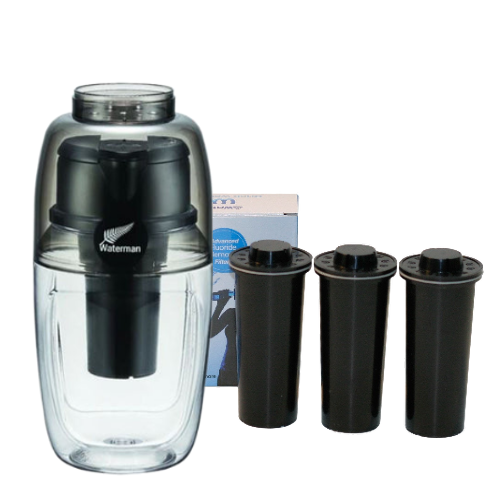
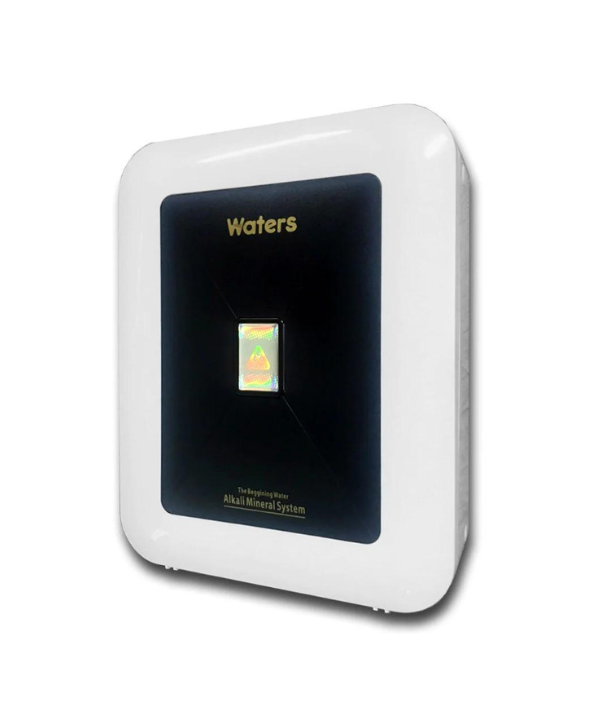
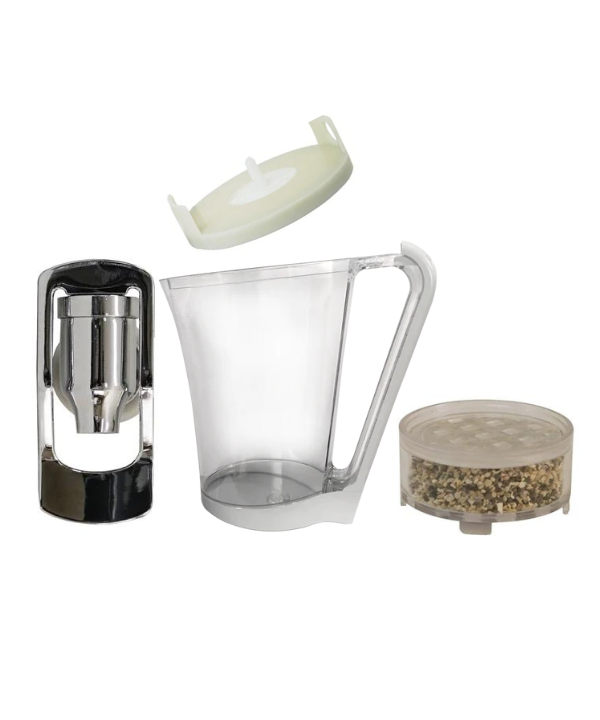
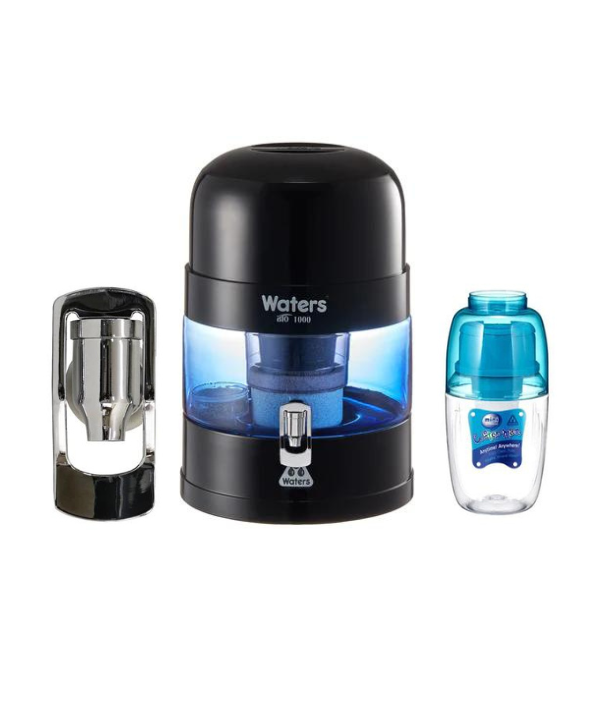
Removes up to 99.9% fluoride, micro plastics, pesticides, pathogens, viruses, organic & inorganic chemicals, micro organisms, heavy metals including lead, copper, aluminium, mercury and others. Producing safe, great tasting, energized, ionised and magnetised alkaline mineral water
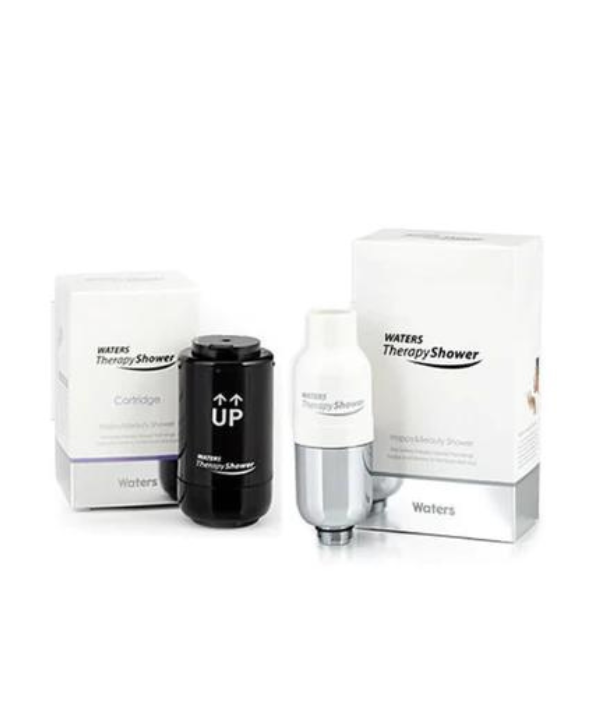
Experience the benefits of clean and safe water for your skin and hair with our range of shower filters.
Say goodbye to chlorine, rust, and sediments with the Waters Therapy Shower Filter. Available in neutral, lemon or lavender fragrance, they last up to 6 months for two people with average daily usage.
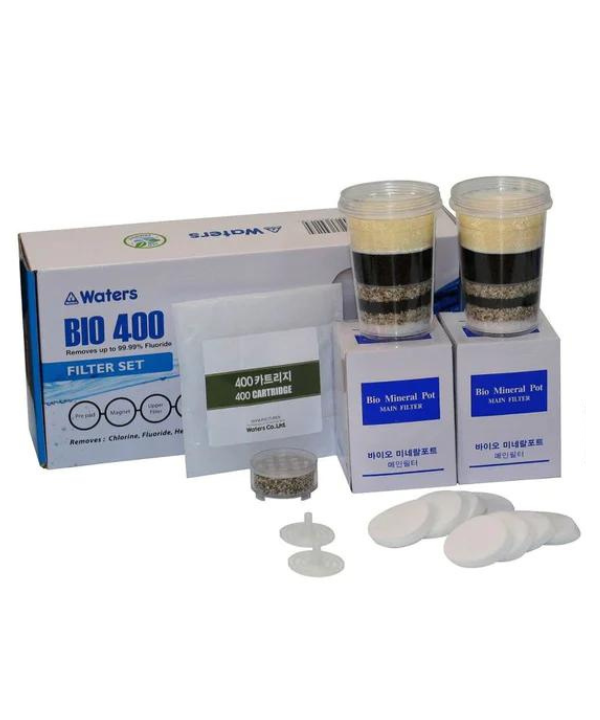
An extensive range of high-quality replacement water filters.
Designed to fit perfectly into our Waterman, AceBio, BMP Ace, Bio 400, Bio 500, and Bio 1000 filter systems, and made with premium materials to effectively reduce unwanted contaminants such as chemicals, heavy metals, bacteria, and more.