
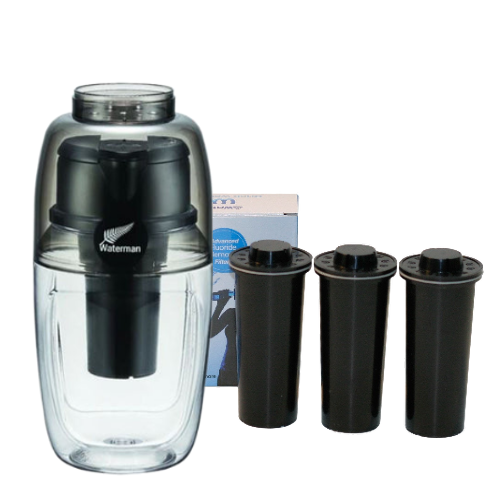


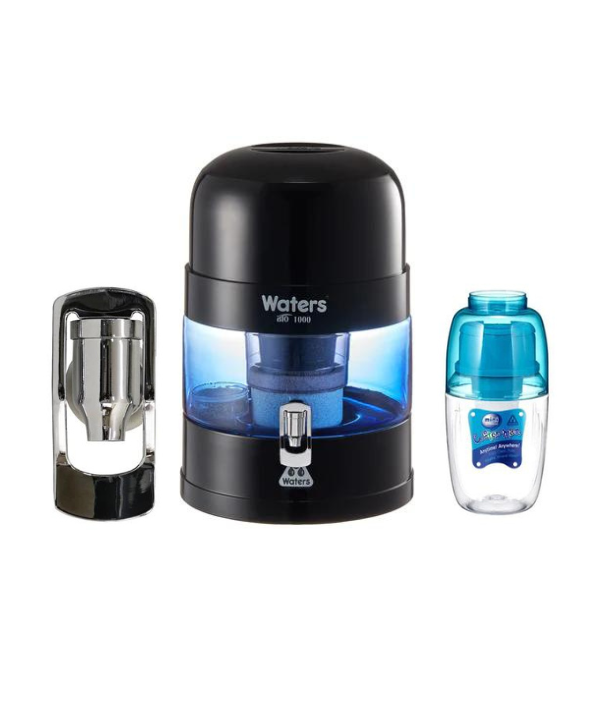

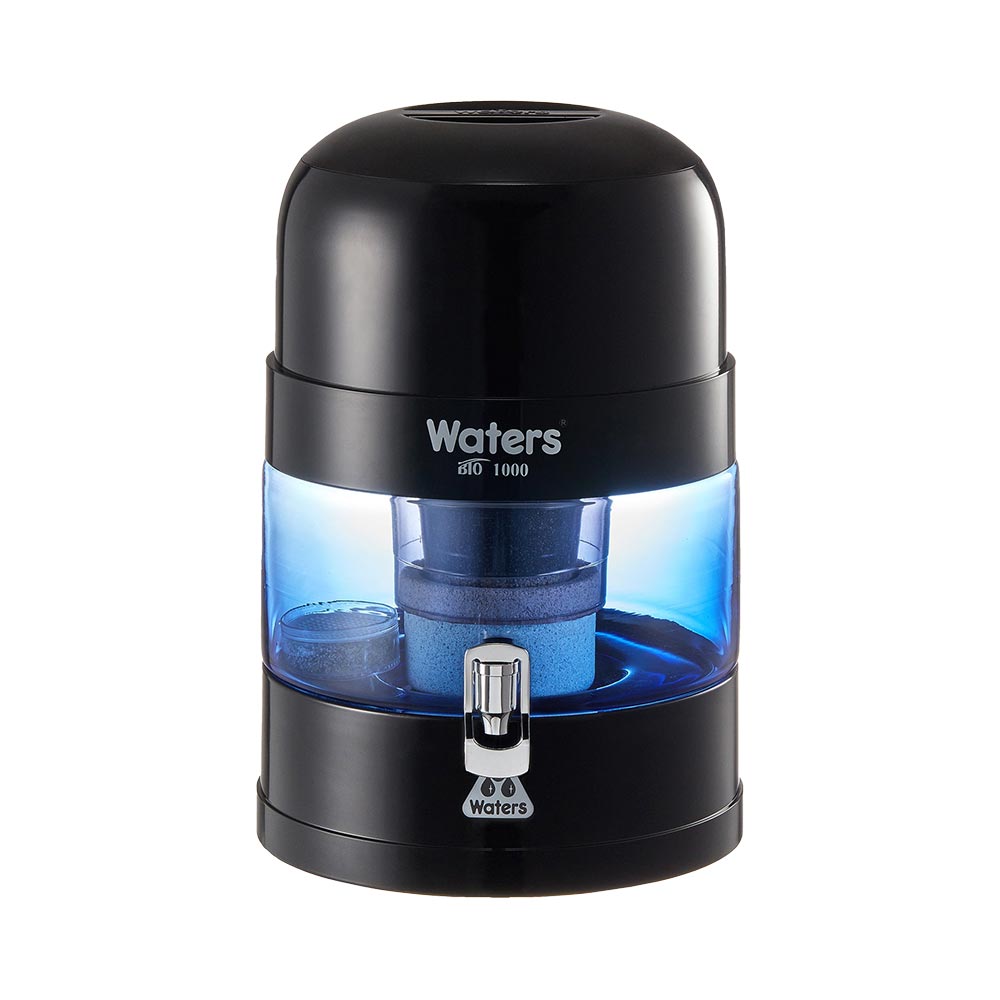
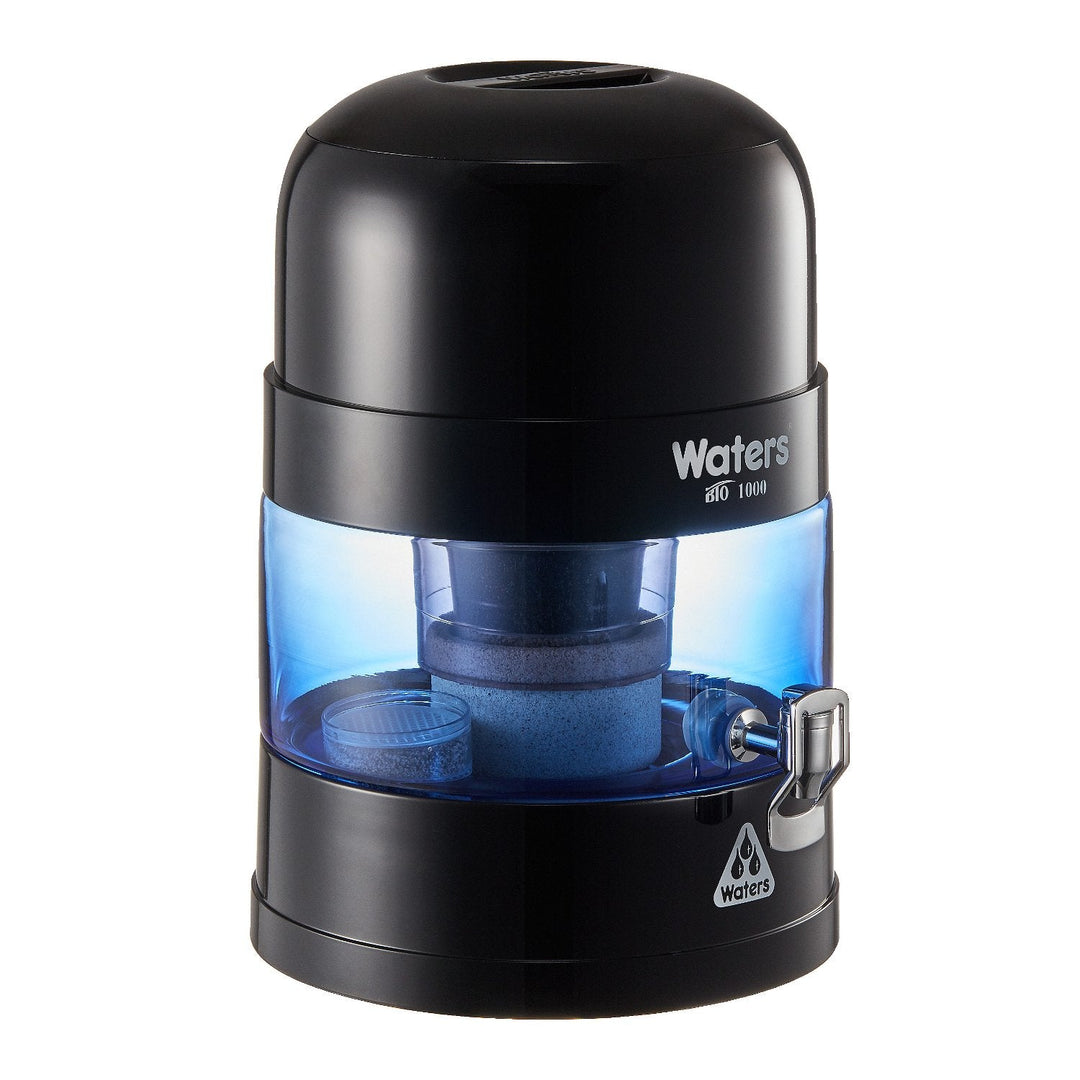
BIO 1000 Black 10 Litre Bench Top Water Filter







⭐⭐⭐⭐⭐ Trusted By over 70,000+ Happy Customers

For the optimisation crowd
Sleep, training, supplements, bloodwork, all dialled in. Then you pour two or three litres a day of tap water carrying PFAS and microplastics, contaminants that bioaccumulate over decades. Your longevity stack has a leak, and it's the highest-volume input you never touched.
The protocol you already run
You measure, dose and iterate on everything. Look at what you've already optimised.
Your stack
You track HRV to two decimal places, then drink the single highest-volume input in your day straight off the tap, unmeasured.
The highest-leverage input you skipped
Longevity is a long game about lowering lifetime load. Which makes the two or three litres you drink daily, and what rides along in it, one of the most leveraged inputs you can clean up.
Every other input in your stack has a spec. Your water has whatever came out of the tap.
Cleaning it up is one of the rare upgrades that's both high-leverage and near-zero ongoing effort.
Why the obvious answers underdeliver
The spec you actually want: remove the load, keep the minerals.
Contaminants out, trace minerals and a mild alkaline pH left in. That's the target, and it's not what a jug or an RO tank gives you.
See it in action
No plumbing, no power, no fuss. Renee walks you through the whole thing: fill the top, and gravity does the rest, drawing your tap water down through 15 stages of filtration into clean, great-tasting water. Press play below, and tap to unmute.
Loading video
With Renee Winterbottom demonstrating the BIO 1000 bench-top filter
The Waters Co difference
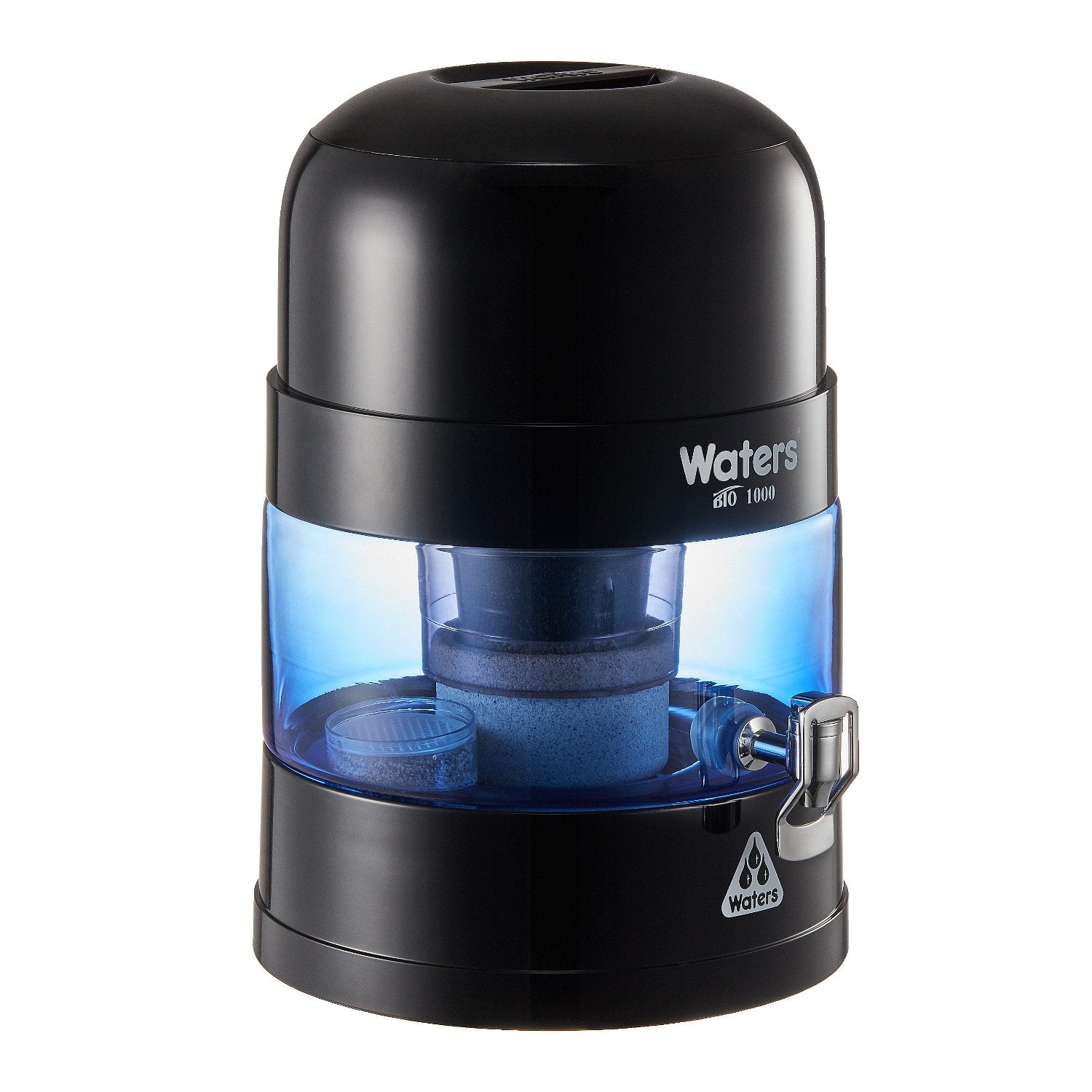
The BIO 1000 runs tap water through 15 stages to remove up to 99% of PFAS along with microplastics, heavy metals and chlorine, then re-mineralises it with 60+ bio-organic trace minerals at a naturally mild alkaline pH. Unlike reverse osmosis, you don't get flat, stripped water. And it's held in a hand-blown glass reservoir, so no plastic touches the output.
15 stages of sterilising, filtration and mineral activation, held in glass.
The spec
The forever chemicals that bioaccumulate over decades.
Sterilising, filtration and mineral activation in one pass.
Detected in blood and plaque. Filtered out here.
Re-mineralised, not stripped like RO water.
Naturally mild alkaline. No additives, no gimmicks.
BPA / BPB / BPS-free. No plastic on the output.
The leverage
Most of your stack demands daily effort and repeat spend. This one is a single change that upgrades every glass you drink for years.
Zero friction, by design
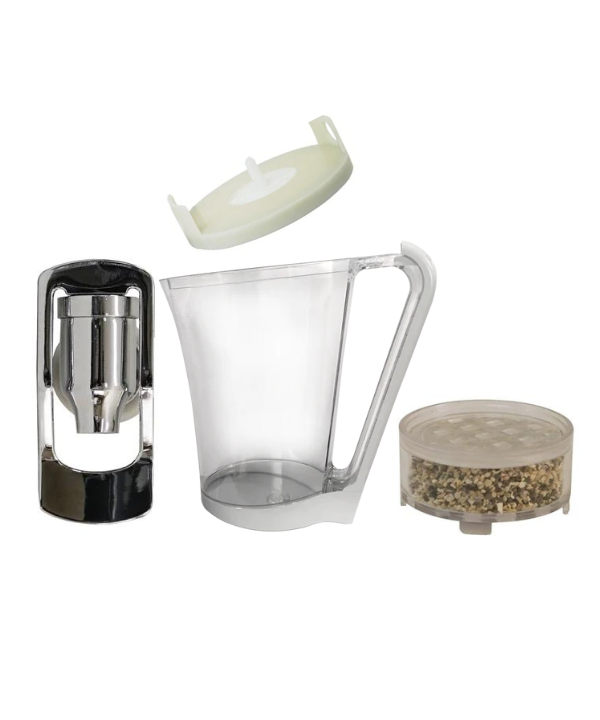
Three pieces, assembled by hand in a couple of minutes. Gravity-fed and just 7kg, with no drilling, no electrician, no tank under the sink.
Gravity pulls it through all 15 stages into the glass reservoir. Nothing to plug in, nothing to monitor.
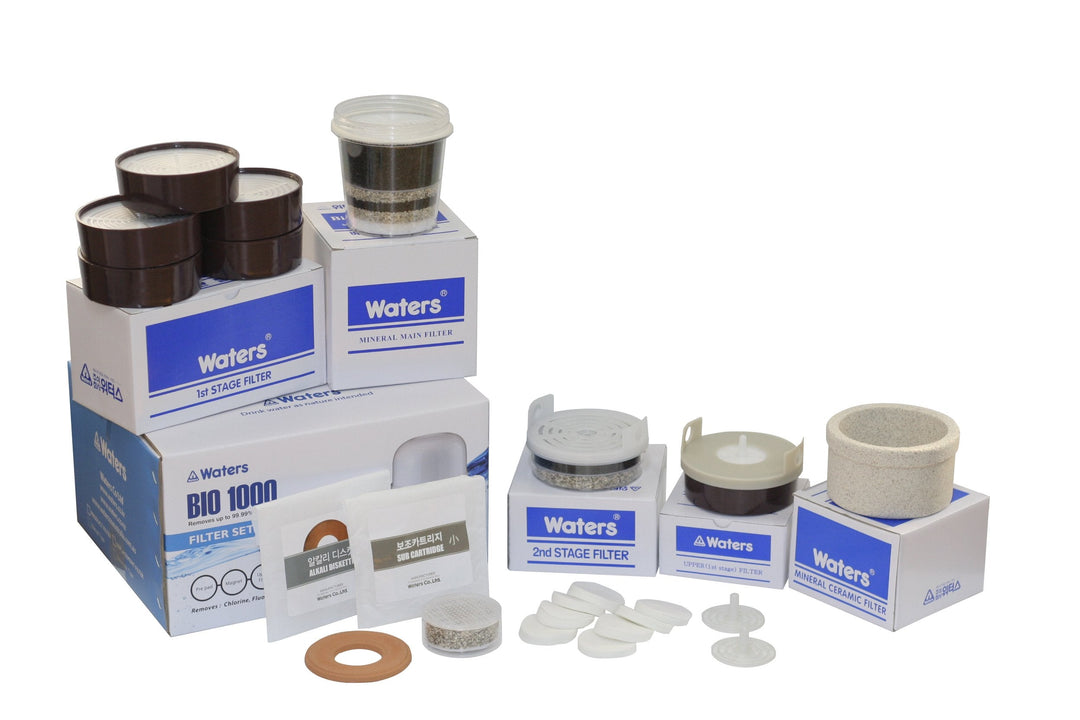
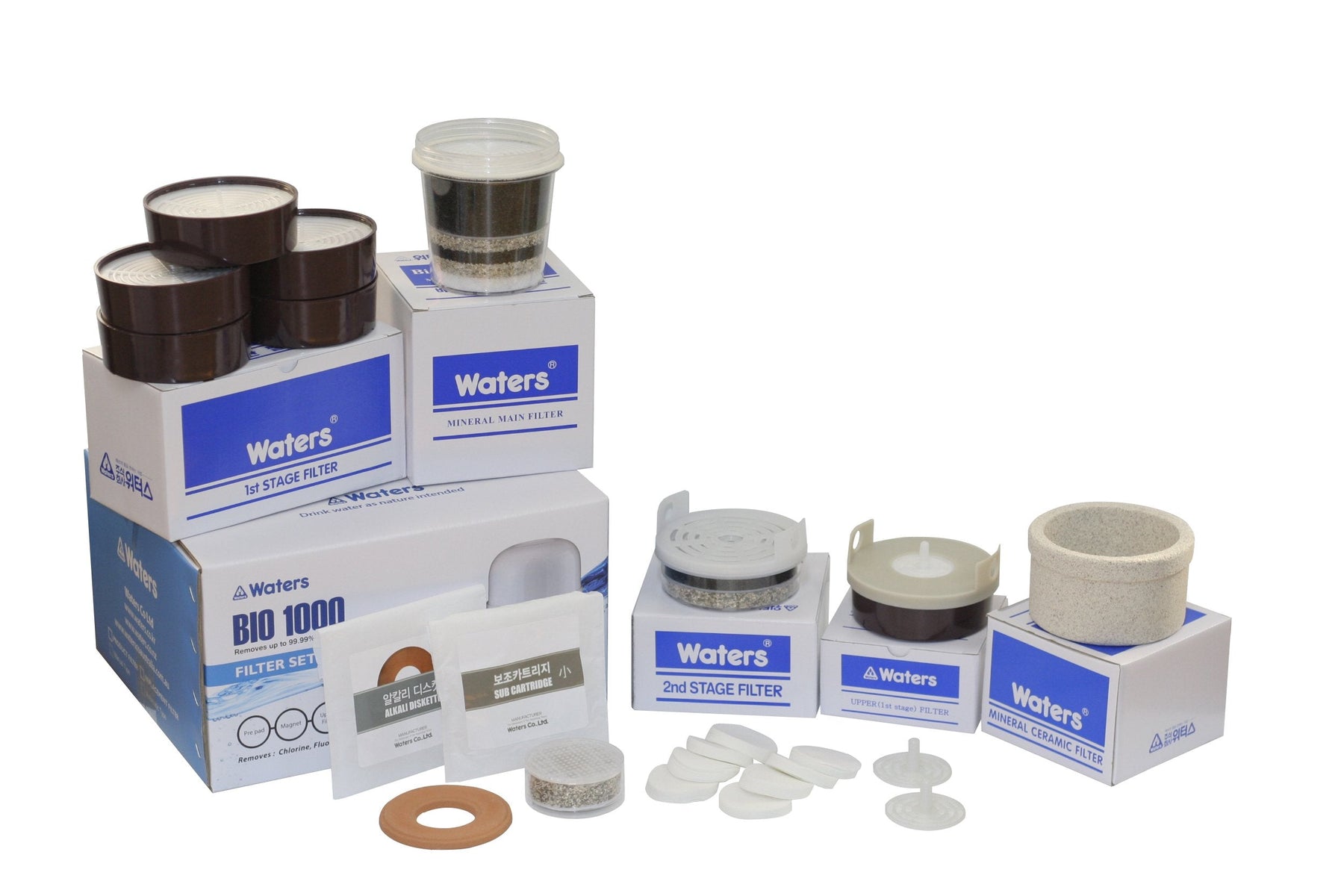
One filter set runs up to 4 years. Roughly the lowest ongoing effort of anything in your protocol.
Glass, not plastic
BPA / BPB / BPS-free build.
Lasts up to 4 years
12,000L filter life, ~3c a litre.
Free shipping
Fast delivery, straight to your door.
From people who track everything
"I test bloods, track HRV, dial in every input, and water was the one I'd never touched. Which is embarrassing given it's what I consume most. Removes the load and keeps the minerals. Exactly the spec I wanted, no RO flatness."
"Was drinking bottled 'spring' water thinking I was optimising, then read what's actually in bottled water. Switched to this. Glass reservoir, re-mineralised, 99% PFAS removal. Finally a known spec instead of guesswork."
"Lowest-friction upgrade in my whole protocol. Sits on the bench, no plumbing, the filter lasts years. Genuinely set and forget, which almost nothing in this space is."
Straight answers
RO removes contaminants, but it also strips the minerals, leaving flat, demineralised water, plus it needs a tank, produces waste water and usually plumbing. The BIO 1000 removes up to 99% of PFAS, microplastics and heavy metals, then re-mineralises with 60+ trace minerals. You get the removal without the deadness or the install.
Both. The 15-stage system is built to remove up to 99% of PFAS along with microplastics, lead and more, and Waters Co backs its removal figures with independent lab testing. Taste is the by-product, not the point.
Bottled water is one of the largest sources of microplastics measured, and you're paying a premium for plastic-exposed water with no consistent spec. Filtering your own gives you a known output at roughly 3 cents a litre.
The water sits naturally at a mild alkaline pH of 7.6 to 8.5 after mineralisation, with no additives or ionising gimmicks. If you prefer mineral-rich, mildly alkaline water, that's the profile you get. We won't stretch it into health claims beyond that.
Minimal. It's gravity-fed with no power or plumbing. You top it up, and swap the filter set roughly every few years, up to 12,000 litres. About as low-friction as an input gets.
Waters Co has led gravity-fed water filtration for over 40 years, and its removal figures are backed by independent lab testing, with certifications including NSF, ISO and the Water Quality Association. Your BIO 1000 ships free and holds your water in glass, not plastic. You're not adding another gadget, you're closing the last gap in your stack.
The last gap in the stack
Contaminants out, minerals in, held in glass, on your bench, running for the next four years. The highest-leverage, lowest-effort upgrade left on your list.