


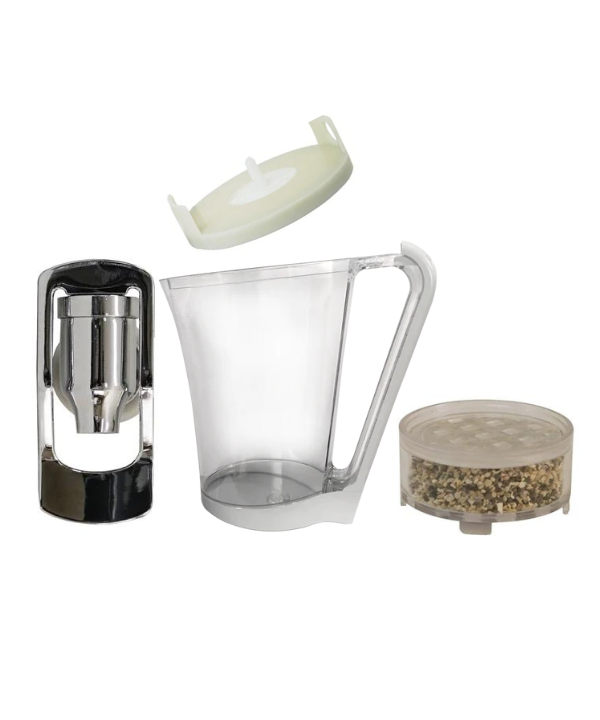
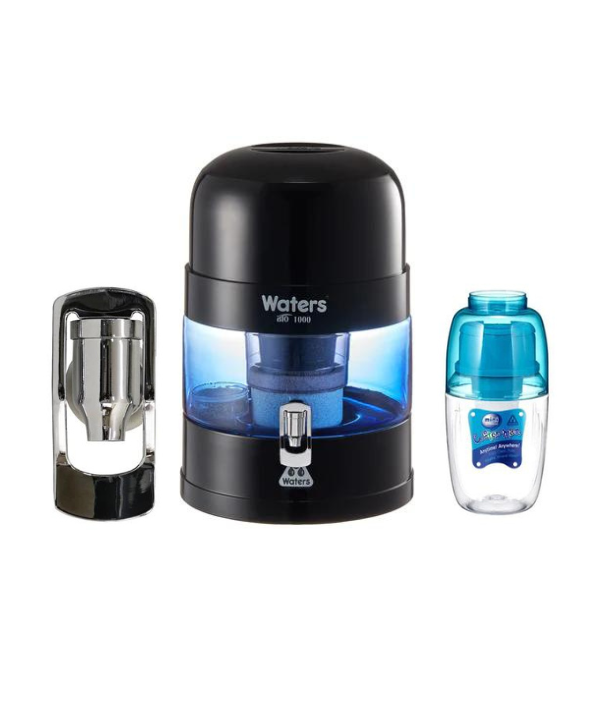

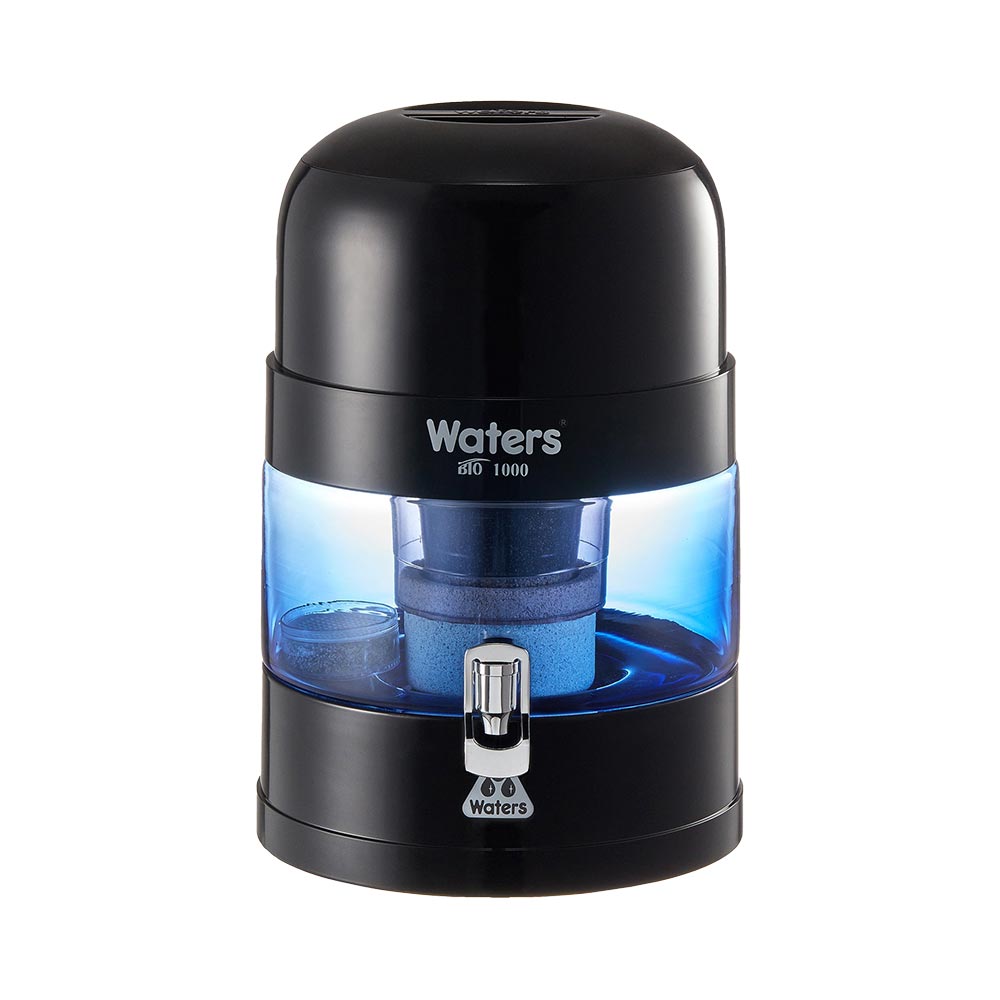
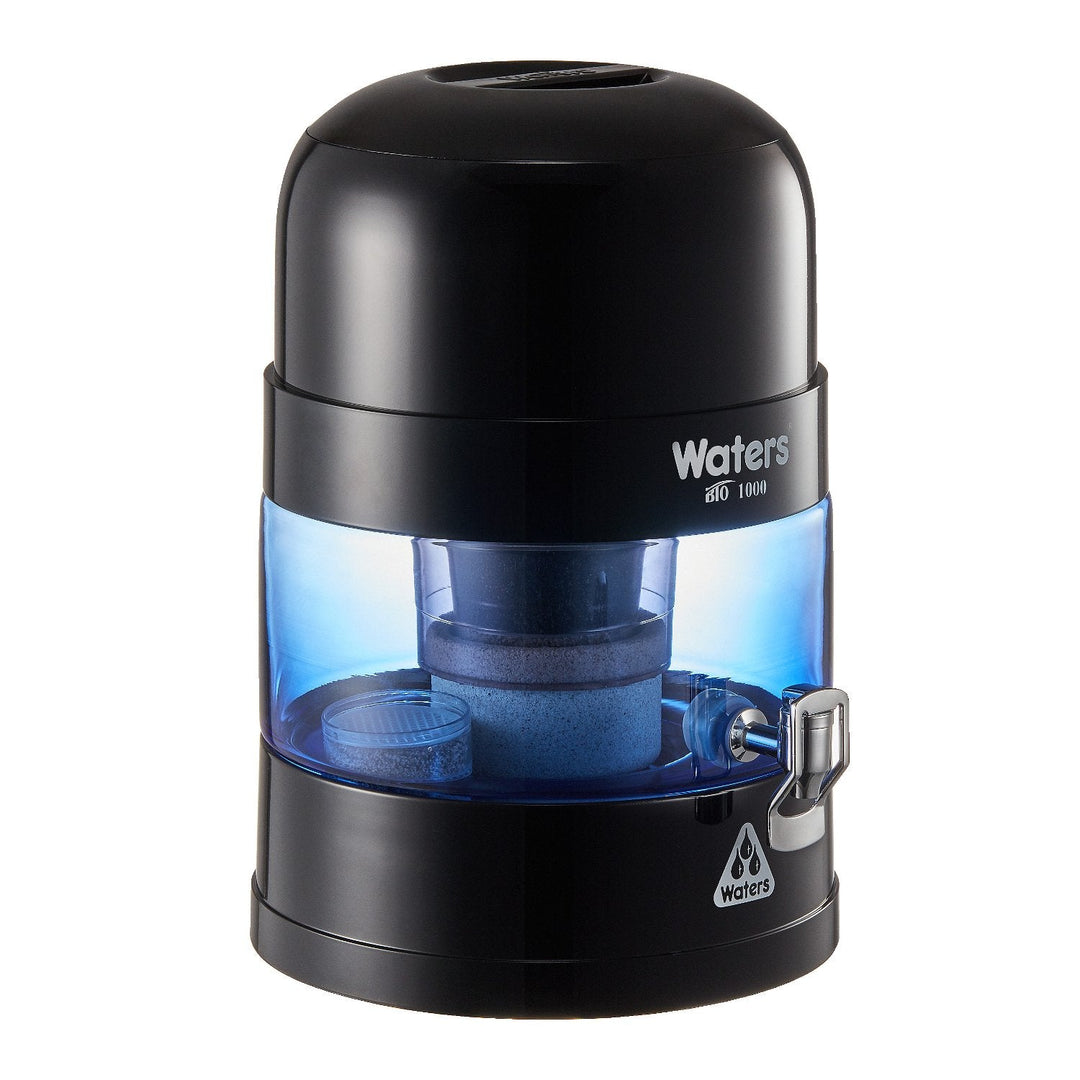
BIO 1000 Black 10 Litre Bench Top Water Filter







⭐⭐⭐⭐⭐ Trusted By over 70,000+ Happy Customers

For low-tox households
You've low-toxed the whole house, one careful swap at a time. But the thing your family drinks more of than anything else, tap water, is the one input you never got to. And it's the one thing in your kitchen that doesn't come with an ingredient label.
The swaps you've already made
You're the one who researches, buys and quietly upgrades everything for the household. Look how much you've already changed.
Your low-tox list
You swapped the containers, the cleaners, the candles. The thing your family drinks most stayed exactly the same.
The one input with no label
Every other product in your kitchen tells you what's in it. Tap water doesn't, and what it carries is exactly the sort of thing you've spent years reading labels to avoid.
Municipal water is treated to be safe, and for most of us it's fine. What it isn't required to remove is PFAS, microplastics or lead.
For a household that reads every other label, the unlabelled one is worth a look.
Before you reach for the obvious answer
If you've moved the whole kitchen to glass and stainless, your water filter should follow.
Swapping a plastic jug for another plastic jug isn't a low-tox upgrade, it's just a new label on the same problem.
The Waters Co difference
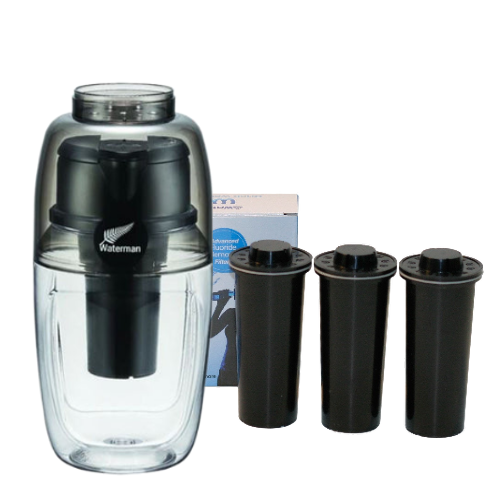
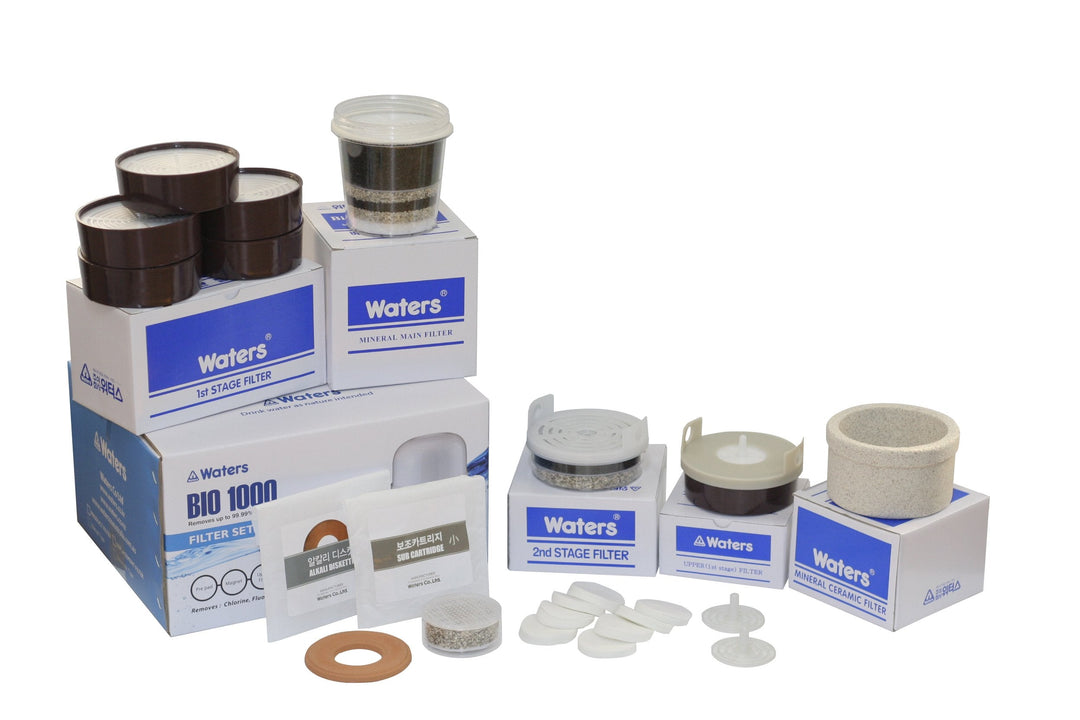
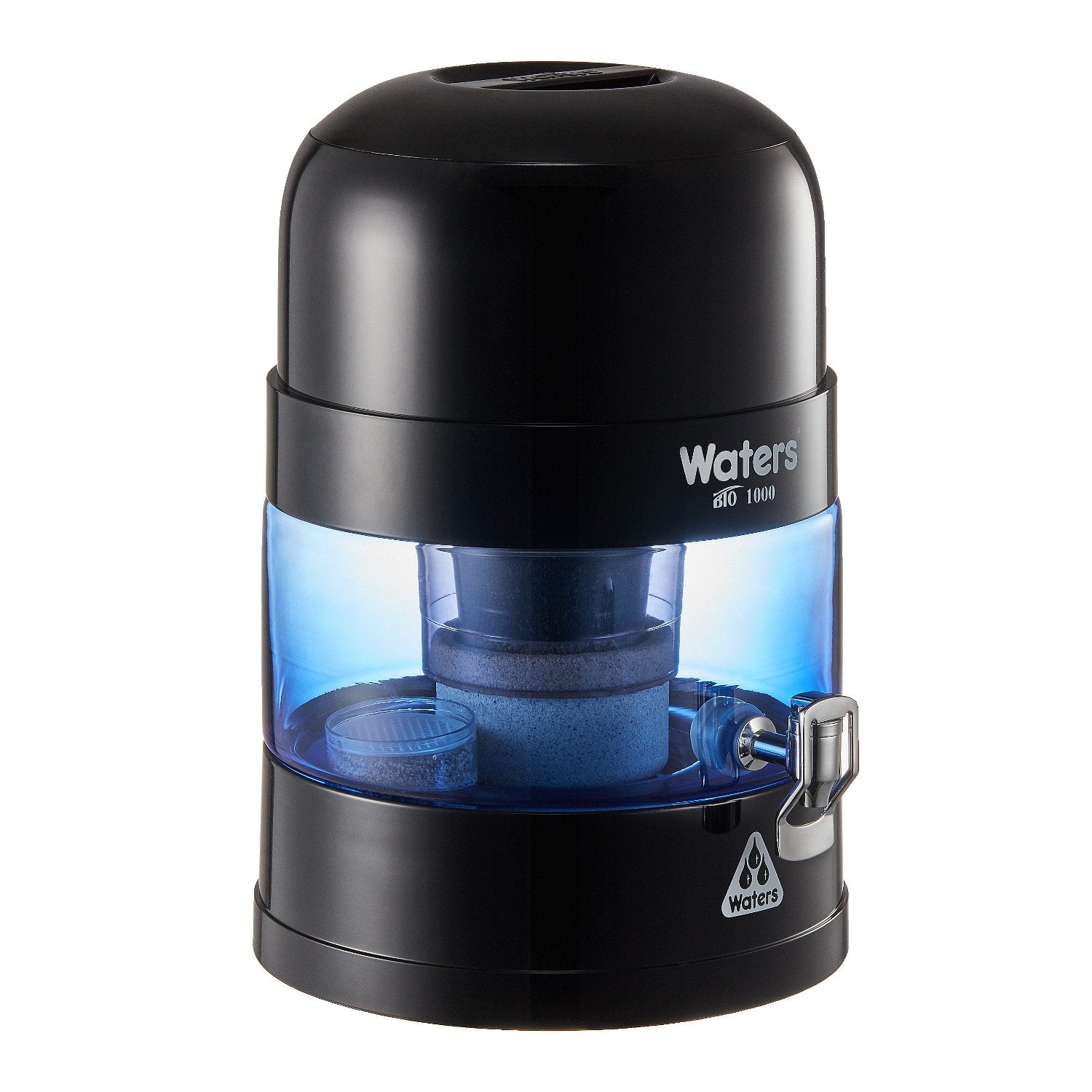
The BIO 1000 holds 10 litres, enough for a household drinking and cooking all day. It runs your tap water through 15 stages to remove 99% of PFAS along with microplastics, lead, chlorine and more, then holds it in a hand-blown glass reservoir with a BPA-free build. Filtered, re-mineralised water everyone drinks from, with no plastic in the middle.
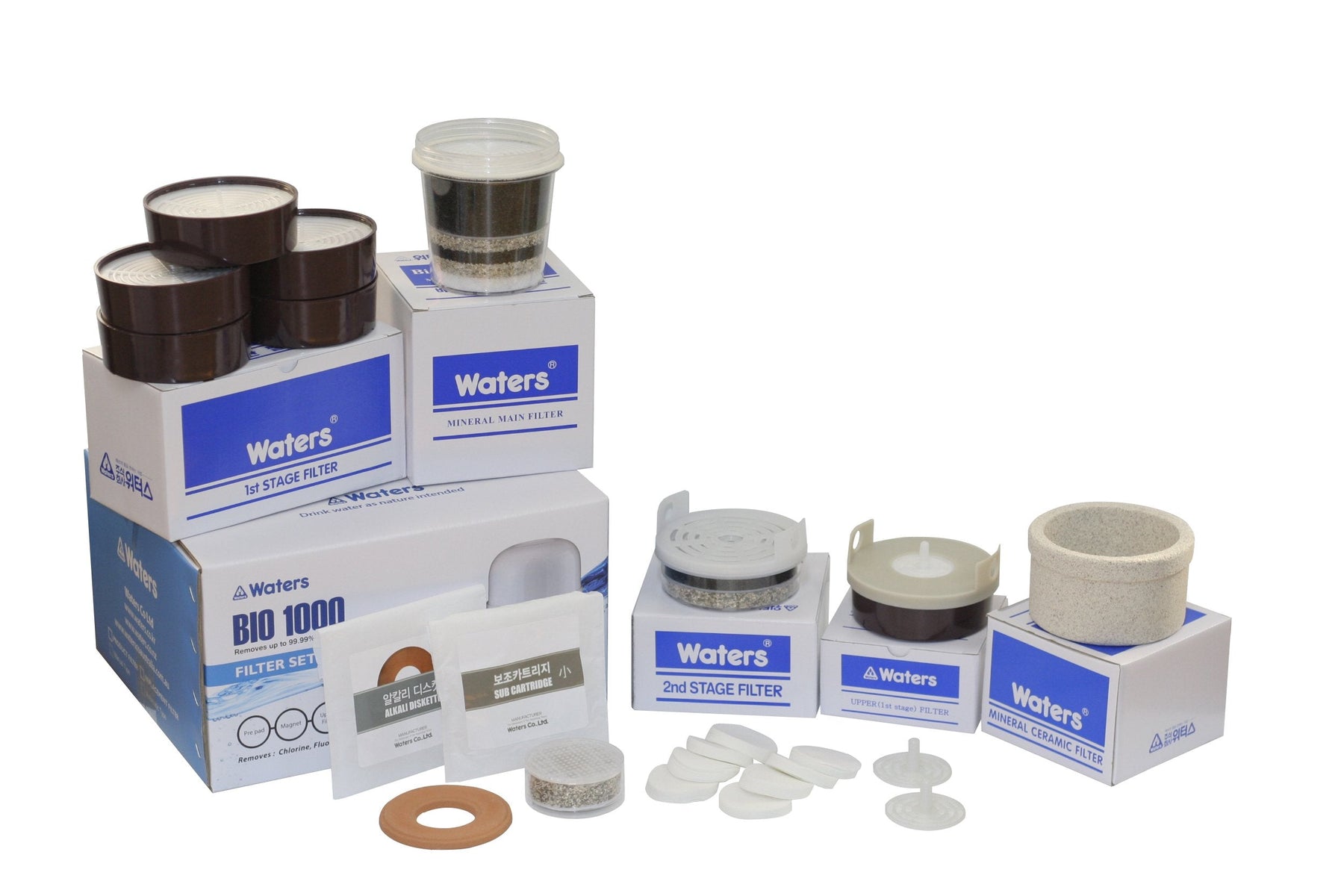
15 stages of sterilising, filtration and mineral activation, held in glass.
What comes out
Build up over years. Standard treatment isn't required to remove them.
Carriers of BPA and phthalates, now found in blood.
Can leach from older pipes and fittings.
BPA / BPB / BPS-free. No plastic in the family's water.
Added at the treatment plant, filtered back out at your bench.
Bio-organic trace minerals your water is usually missing.
The maths the household buyer will like
Most low-tox upgrades are per-person and repeat forever. This one is a single change that quietly serves the whole household for years.
You buy for four or more, so this is one swap that lands across the whole family at once.
And with the kids drinking better-tasting water, most families find they reach for it more.
No plumber, no project
Three pieces, assembled by hand in a couple of minutes. It's gravity-fed and just 7kg, with no drilling, no electrician, no cupboard rearranging.
Gravity draws it down through all 15 stages into the glass reservoir. Keep it topped up so there's always filtered water on hand for the whole house.
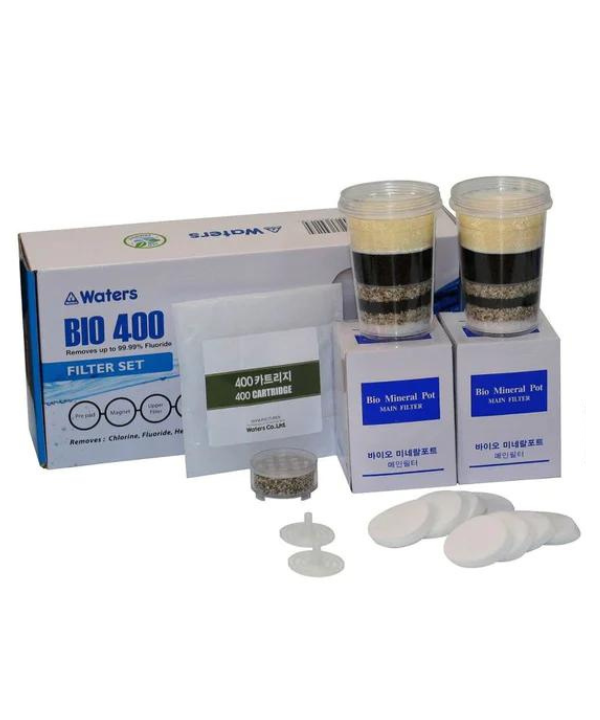
One filter set lasts up to 4 years, quietly doing its job while you get on with running everything else.
Glass, not plastic
BPA / BPB / BPS-free build.
Lasts up to 4 years
12,000L filter life, ~3c a litre.
Free shipping
Fast delivery to your door.
From low-tox households already doing this
"I'd low-toxed the entire house, cleaning products, skincare, candles, then realised the thing we all drink most had never been touched. It was the obvious missing swap. The whole family drinks from it now."
"As the one who buys everything for our family's health, this was the easiest call I've made. One filter for the four of us, no more bottled water, and I finally know what isn't in the water anymore."
"My naturopath had mentioned water for ages. The glass reservoir sold me, I wasn't about to swap to another plastic jug. The kids drink so much more water now too."
Honest answers
It's treated to be safe for most people, and that's true. What standard water treatment isn't required to remove is PFAS, microplastics, chlorine byproducts and lead from older plumbing. If you're reading the label on everything else in the house, this is the one input that never gave you a label to read.
Two reasons. Volume: the 10L reservoir suits a whole family drinking and cooking all day, rather than refilling a small jug. And materials: it uses a glass reservoir with a BPA-free build, so you're not filtering into plastic the way a standard jug does.
Over the filter's life it works out around 3 cents per litre, and one set lasts up to 4 years. For a household, that replaces a lot of bottled water and repeat purchases with a single upgrade.
No, and this is a real point of difference. Rather than stripping the water bare like some systems, the BIO 1000 re-mineralises it, adding back 60+ bio-organic trace minerals so your water enriches rather than just cleans.
Not at all. It sits on the bench, runs on gravity with no plumbing or power, and the only upkeep is topping it up and changing the filter set, which lasts years rather than months.
Waters Co has led gravity-fed water filtration for over 40 years, with independent lab testing behind its 99% removal claims. Your BIO 1000 ships free, and holds your family's water in glass rather than plastic. You're not taking a risk, you're making the low-tox swap everyone in the house drinks from.
The swap you keep meaning to make
Of all the low-tox upgrades on your list, this is the one the whole family drinks from every day: filtered, re-mineralised water held in glass, on your bench, for the next four years.
See it in action
No plumbing, no power, no fuss. Renee walks you through the whole thing: fill the top, and gravity does the rest, drawing your tap water down through 15 stages of filtration into clean, great-tasting water. Press play below, and tap to unmute.
Loading video
With Renee Winterbottom demonstrating the BIO 1000 bench-top filter