






Does Brita Remove Fluoride?
Does Brita remove fluoride? It's a question a lot of people ask, especially parents and health-conscious households. If you're looking at benchtop water filters and wondering whether a Brita filter can handle fluoride, here's exactly what you need to know.
Key Takeaways
-
No, Brita Standard and Elite™ filters do not remove fluoride.
-
Brita filters use activated carbon, which is not designed to bind fluoride molecules.
-
Fluoride removal requires a filter specifically certified for it.
-
Fluoride is added to municipal water supplies in many countries as a public health measure to support dental health.
-
If fluoride is a concern for your household, a multi-stage filtration system is the appropriate step up.
-
Waters Co Australia systems remove fluoride as part of their multi-stage filtration process.
Does Brita Remove Fluoride?
No. Neither the Brita Standard filter nor the Brita Elite™ filter removes fluoride from tap water. Brita filters use granular activated carbon, which works well for chlorine taste and odour but is simply not designed to bind fluoride molecules. Fluoride passes straight through.
This applies to every Brita pitcher filter on the market, including the Standard, Elite™, Stream, and BritaPlus™. None of them are certified for fluoride reduction.
Why Can't Activated Carbon Remove Fluoride?
Activated carbon works by attracting certain molecules to its porous surface. Chlorine molecules stick to it easily. Fluoride molecules don't. The chemistry is different and activated carbon simply doesn't have the right properties to trap fluoride effectively.
Removing fluoride from water requires different filtration media, most commonly activated alumina under sink filters, bone char carbon, or reverse osmosis. These are not found in standard pitcher filters.
Is Fluoride in Tap Water a Problem?
Fluoride is added to municipal water supplies in many countries as a public health measure to support dental health. Regulatory bodies including the World Health Organisation set guidelines for safe fluoride levels in drinking water, and most municipal supplies stay well within those limits.
That said, some households prefer to reduce their fluoride intake for personal or health reasons. If that applies to you, a Brita filter won't help. You need a system that is specifically certified for fluoride removal. Understanding how to remove fluoride from water is a useful starting point if this is a priority for your household.
What Does Brita Actually Remove?
While Brita doesn't remove fluoride, it does reduce several other things worth knowing about. It's worth understanding what each filter does and doesn't do so you can make the right call.
Brita Standard Filter
Certified under NSF/ANSI Standard 42 for chlorine taste and odour reduction only. Does not address fluoride, PFAS, heavy metals, or health-related contaminants.
Brita Elite™ Filter
Certified under NSF/ANSI Standard 42 and 53. Covers chloramines, lead, mercury, microplastics, and certain other contaminants. Does not remove fluoride.
Brita Stream Filter
Same activated carbon technology as the Standard filter. Filters as you pour. Does not remove fluoride.
BritaPlus™
Positioned as an upgrade for households wanting more filtration performance. Does not remove fluoride.
Brita Filter Fluoride Comparison
|
Filter |
Removes Fluoride |
NSF Certification |
Lifespan |
|
Standard |
No |
Standard 42 |
150 L (~2 months) |
|
Elite (Longlast) |
No |
Standard 42 + 53 |
450 L (~6 months) |
|
Stream |
No |
Standard 42 |
150 L (~2 months) |
|
BritaPlus™ |
No |
Varies |
Varies |
Source: Brita
What Filter Actually Removes Fluoride?
If fluoride removal is important to you, you need a filter certified specifically for it. The most effective options are:
-
Activated alumina filters: Specifically designed to reduce fluoride and arsenic.
-
Bone char carbon filters: A traditional filtration medium effective for fluoride reduction.
-
Reverse osmosis systems: Remove fluoride along with a wide range of other contaminants, though they require plumbing installation and produce significant wastewater.
-
Multi-stage benchtop filtration systems: Combine multiple filtration stages including those designed for fluoride removal, without the need for plumbing.
Before investing in any system, check your local water quality report to confirm the fluoride levels in your area. That way you know what you're dealing with and can choose filtration that actually solves the problem. It's also worth comparing filtered water to bottled water if you're currently buying bottled water as a fluoride-free alternative.
What Kind of Water Filter Actually Removes Fluoride?
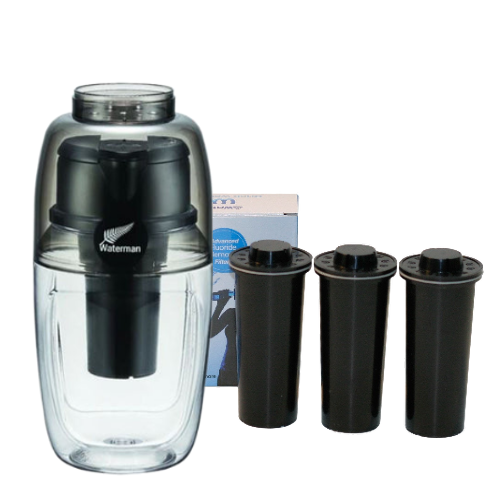
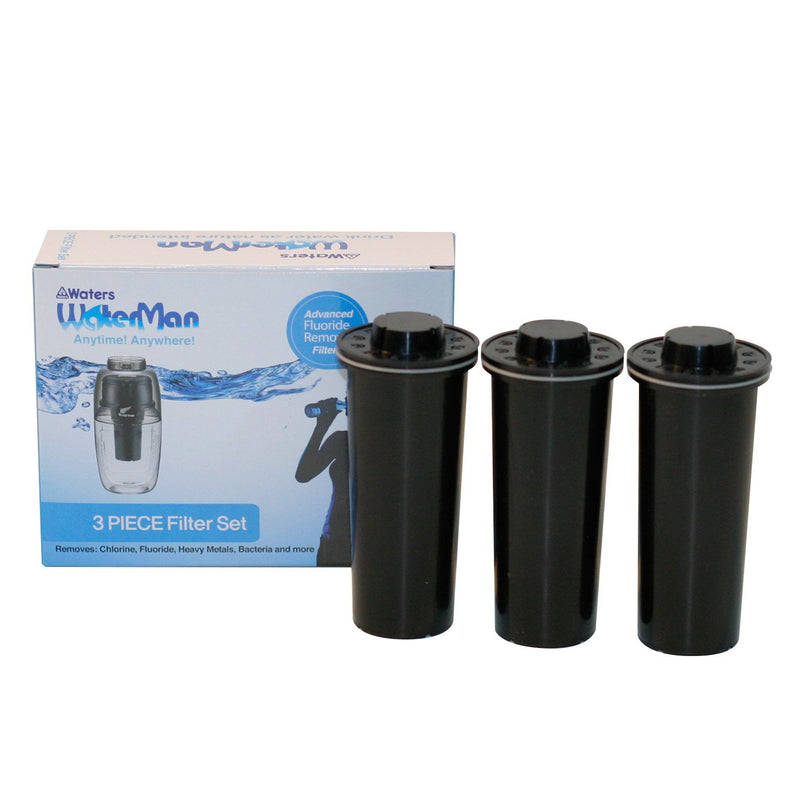
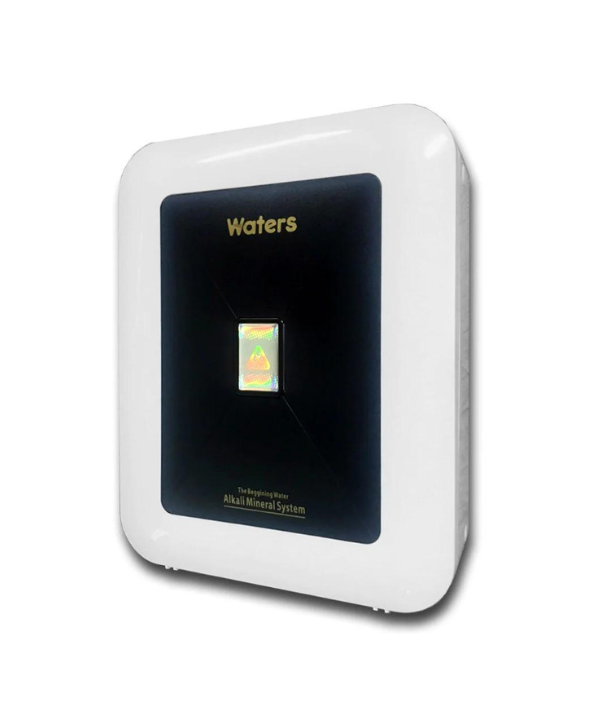
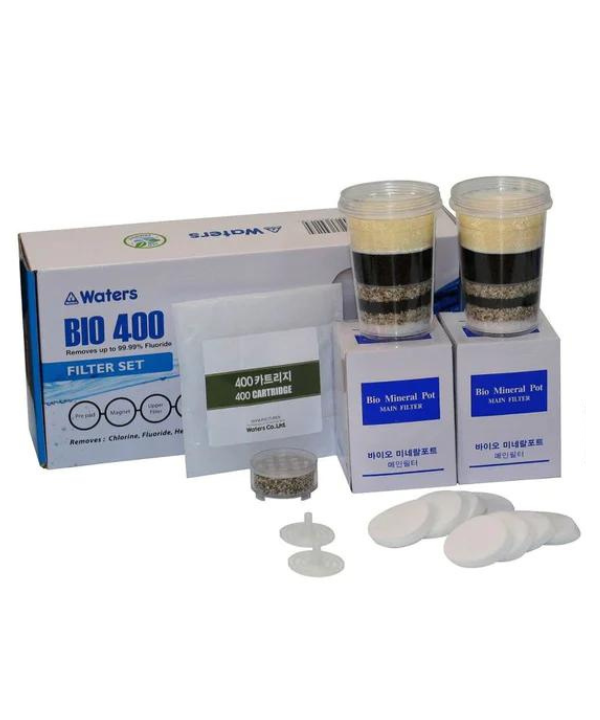
Waters Co multi-stage filtration systems remove 99.9% of fluoride and other contaminants, going well beyond what a Brita pitcher can do. Australian owned and operating since 1984, their systems remove up to 99.9% of contaminants including fluoride, chlorine, heavy metals, microplastics, and forever chemicals, while enriching water with over 60 bio-available minerals and delivering alkaline water at a pH between 7.4 and 8.5.
Where Brita falls short, Waters Co fills the gap:
-
Brita doesn't remove fluoride. Waters Co systems do.
-
Brita can't remove PFAS or forever chemicals. Waters Co systems are designed to address them.
-
Brita Standard filters aren't certified for heavy metals or microplastics. Waters Co removes both.
-
Brita filters water and stops there. Waters Co enriches filtered water with over 60 bio-available minerals, raises pH to between 7.4 and 8.5, and applies ionisation and magnetisation for enhanced cellular absorption.
-
Brita Standard filters last around 2-6 months. Filter sets included in Waters Co benchtop filters can last up to 15,000 litres or 5 years (whichever occurs first). However, cartridge lifespan depends heavily on water quality and usage.
-
Waters Co backs every system with a lifetime warranty. Brita offers a 30-day unconditional 100% money-back guarantee and a 1-year warranty in case of damage.
Systems are ISO, NSF, CE, and EPA certified with third-party testing. Their range covers most households and lifestyles:
-
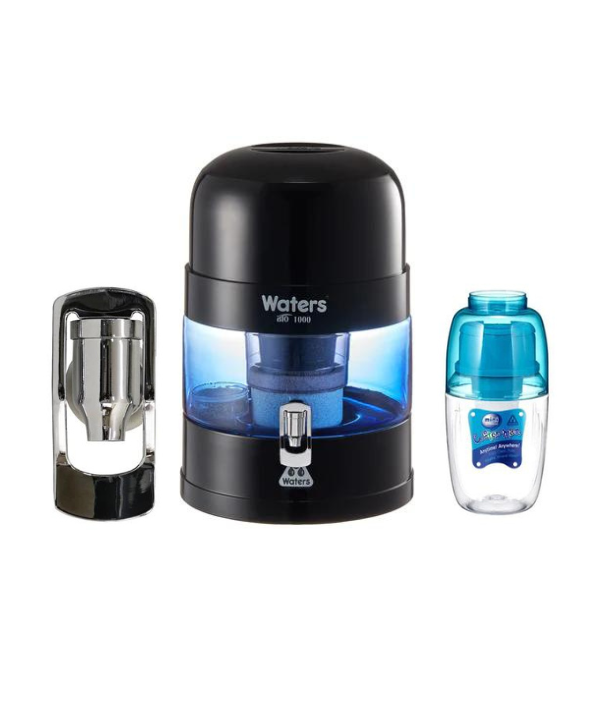
Benchtop water filter systems for countertop convenience
-
Portable water filter options for travel and gym use
-
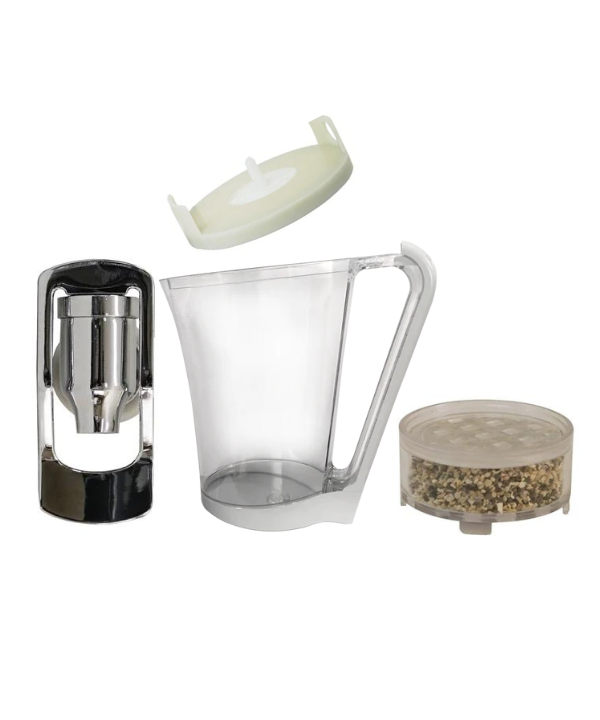
Filter jug solutions for easy everyday filtering
-
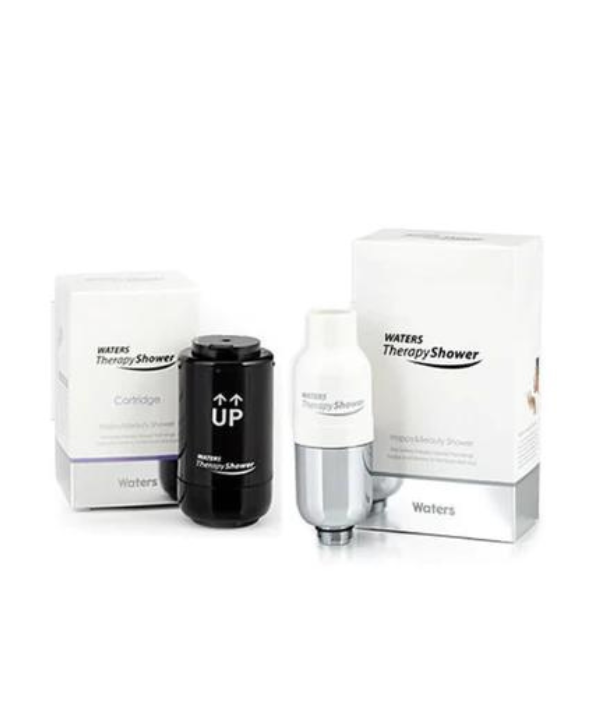
Shower filter systems with aromatherapy options
-
Under sink water filter for permanent installation
-
Replacement filters lasting 3 months to 4 years
-
Replacement parts for ongoing system maintenance
Frequently Asked Questions
Does the Brita Elite filter remove fluoride?
No. The Elite filter covers chloramines, lead, mercury, and microplastics, but it does not remove fluoride.
Why doesn't activated carbon remove fluoride?
Activated carbon works by attracting certain molecules to its surface. Fluoride molecules don't bind to activated carbon the way chlorine does. Different filtration media, such as activated alumina or bone char, are needed for fluoride removal.
What filter does remove fluoride?
Filters using activated alumina, bone char carbon, or reverse osmosis are the most effective for fluoride removal. Multi-stage benchtop systems that include these media can also address fluoride alongside other contaminants.
Is fluoride in tap water dangerous?
Most municipal water supplies keep fluoride within guidelines set by health authorities including the World Health Organisation. Whether to filter it out is a personal choice. If you prefer to reduce your fluoride intake, a certified filter is the only way to do it effectively.
Can I use a Brita filter and still have fluoride-free water?
No. A Brita filter will not reduce fluoride levels in your water regardless of which model you use. You need a filter specifically certified for fluoride reduction.
How do I know how much fluoride is in my tap water?
Check your local water quality report or Consumer Confidence Report. These are published by your water supplier and list the levels of fluoride and other substances in your tap water.